Supporting Older Adults Living With Arthritis in Residential Care
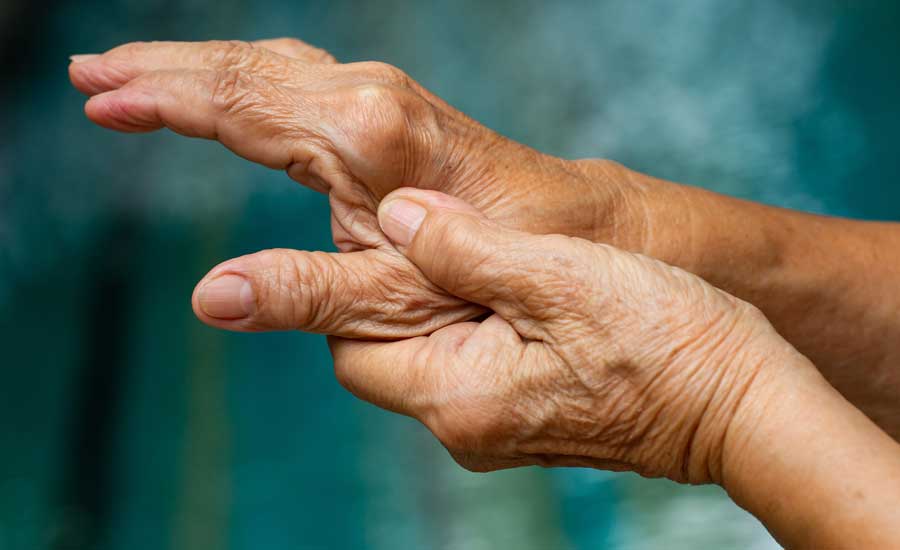
Arthritis becomes increasingly common with age, and its impact can be more than painful joints.
Symptoms can also fluctuate, so your loved one may manage an activity comfortably one day and find the same task more difficult during a flare-up.
This article discusses how care homes support residents living with arthritis, including managing everyday tasks, staying active, dealing with pain and making the care environment easier to move around.
How Do Care Homes Help Residents With Arthritis?
Yes. Care homes can help residents with arthritis manage the parts of everyday life that pain and stiffness make more difficult. Your loved one might need some help getting dressed on a bad morning or support moving around safely, as well as assistance with prescribed pain relief. Staff also encourage appropriate activity and follow advice from physiotherapists, adjusting their support when symptoms flare up or mobility changes.
How Arthritis Can Affect Daily Life in a Care Home
You usually become aware of the effects of arthritis when carrying out everyday activities that should be simple and easy to perform. The extent to which your loved one needs assistance will depend on which joints are affected and the severity of their pain and stiffness, as these can limit movement.
Some areas arthritis can affect:
Getting Dressed
If your loved one has arthritis in their fingers, hands or wrists, buttoning, zipping and tying shoelaces will be more difficult. Hip and knee pain may also make it uncomfortable to bend down in order to put on trousers, socks or shoes. Carers can assist with the parts that your relative has difficulty with while still letting them look after the other parts themselves to maintain dignity and independence.
Washing and Personal Care
Getting into a shower, reaching different areas of the body or gripping toiletries can become harder when joints are painful. Your loved one will benefit from practical assistance or equipment, such as grab rails and shower seating, depending on their mobility needs.
Eating and Drinking
Arthritis in the hands can make gripping cutlery, lifting a cup or opening food packaging difficult. So homes can offer adapted cutlery and easy-grip cups to make mealtimes easier where appropriate.
Getting Around
A relative might find it necessary to use a walking aid, since arthritis in the hip, knee, ankle or foot can affect their ability to walk and stand. On days when the pain is particularly severe, support will be provided to help them move about the home safely.
Getting In and Out of Bed or a Chair
Standing from a low chair can put considerable pressure on painful knees and hips. Suitable seating and the correct bed height can make transfers easier, while some residents may need assistance from staff.
Morning Routines
Joint stiffness is often worse after a period of inactivity, which can make mornings particularly difficult. Your loved one may need more time to get washed and dressed or additional assistance until their joints begin to loosen up.
Managing Arthritis Pain in Residential Care
Arthritis pain tends to vary day to day, meaning your loved one could be comfortable walking to lunch one afternoon but need more support the next morning because their hip or knee is particularly painful.
Care staff can help by:
- Making sure prescribed pain relief is given as directed and noting if it no longer seems to be working as well
- Allowing extra time or offering more help on days when stiffness or pain is worse
- Noticing changes in how your relative moves. Avoiding one arm, struggling to stand or suddenly walking less than usual can all indicate discomfort
- Following any guidance provided by a GP, physiotherapist or other healthcare professional
- Raising concerns if pain becomes noticeably worse or starts affecting activities your loved one normally manages
Supporting Mobility and Exercise for Residents With Arthritis
Pain will likely make your loved one hesitant to move, especially during a flare-up. But staying active is an important part of managing osteoarthritis.
NICE recommends that adults with osteoarthritis engage in therapeutic exercise. That’s because exercise can improve movement and quality of life and can reduce pain, though some discomfort is common when starting a new routine.
For residents, this might involve regular walks at home or in the garden, joining a suitable exercise class or doing exercises suggested by a physiotherapist.
If your relative has been given a rehabilitation programme, staff can support them in following the professional guidance provided. Physical therapy in care homes can also help residents work on areas such as joint movement, muscle strength and mobility.
The kind of exercise chosen should take into account your loved one’s health and capabilities.
For example, a resident who has painful knee arthritis and a history of falling will have different needs from a relative who is still able to move about but suffers from stiff hands.
Helping Residents With Arthritis Maintain Their Independence
Your loved one with arthritis doesn’t have to stop their usual activities in care homes. Sometimes a few small changes to how they do it are enough.
Do they like gardening but find kneeling painful? Maybe they’ll be more comfortable using raised planters. Adapted grips can make some crafts easier for residents with painful hands, and if holding a book aggravates hand or wrist pain, a book stand or e-reader may be more comfortable.
The same applies to getting out and about. Your relative might comfortably walk shorter distances but might need additional mobility support for longer outings.
The range of daily activities available in a care home can give residents different ways to stay involved according to their interests and current mobility. Staff also help your loved one make practical adjustments when arthritis starts to interfere with an activity they enjoy.
Residential Care for Older Adults With Arthritis
If your loved one’s arthritis changes over time, the support they needed when they first moved into residential care may not always be right six months or a year later, and care plans will be modified to match their new needs.
When pain starts interfering with new parts of their routine, or walking, dressing and other everyday tasks become noticeably harder, their care can be reviewed, with involvement of their GP, physiotherapist or occupational therapist.
Regular reviews help staff keep your loved one’s care in line with any changes in their arthritis.
Ready to explore...