Why An Older Person’s Care Needs Can Change So Suddenly
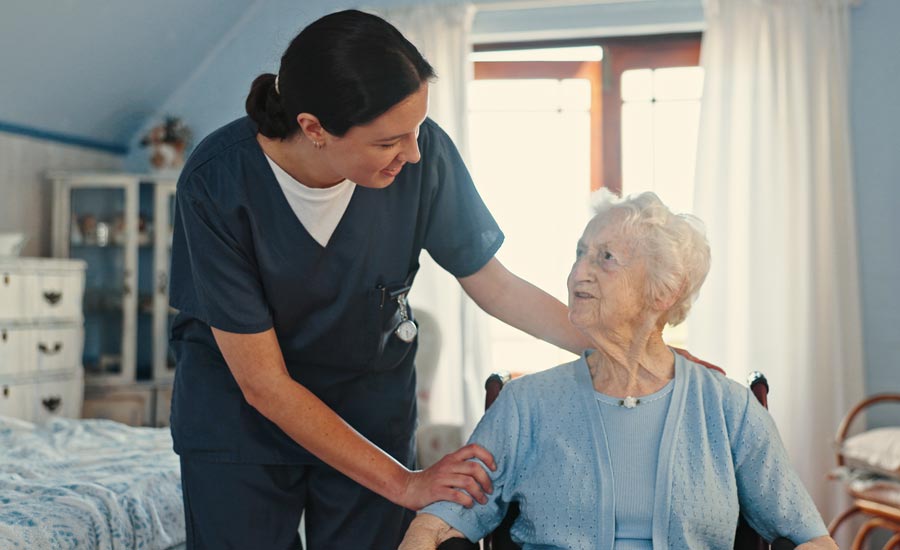
If your elderly loved one has suddenly taken a turn for the worse, it can be worrying and stressful for the whole family. But care homes see this regularly, with residents who were managing well a few months ago now needing extra support with from everyday tasks and mobility or personal care.
Here are some of the most common signs that your loved one’s care needs are increasing and how those changes are usually reflected in their care plan.
What Are The Signs An Older Person’s Care Needs Are Increasing?
Signs an older person’s care needs are increasing include needing more help with washing or dressing, struggling to walk safely, becoming more forgetful, losing weight, missing medication, falling more often or finding everyday tasks harder to manage. Any of these changes should prompt a review so their care continues to meet their current needs.
Signs Your Loved One Needs More Support
Let’s go into more detail about the signs an elderly person needs more support. While one change on its own may not be a cause for concern, several changes happening together often suggest they would benefit from more support:
They Need More Help With Personal Care
If your loved one is starting to find it harder to wash themselves or get dressed, it could mean that everyday tasks have become more difficult. They might also need more encouragement or physical support to complete tasks they previously managed independently.
Less Steady On Their Feet
Reduced mobility can increase the risk of falls and make everyday activities more challenging. You may notice your loved one walks more slowly, struggles to get in and out of a chair or needs support when moving around.
Memory Lapses Have Become More Noticeable
Occasional forgetfulness is common, but increasing confusion, missed medication, forgotten conversations or difficulty following familiar routines can indicate that a resident’s care needs have changed.
They Are Eating Less Or Losing Weight
A reduced appetite, unfinished meals or noticeable weight loss can all affect a resident’s health and well-being. These changes may also make them feel weaker, increasing the likelihood of falls and illness.
Mood Or Behaviour Changes
A resident who becomes withdrawn, anxious, frustrated or less interested in activities they once enjoyed may need additional support. Changes in mood can sometimes be linked to changes in physical health, memory or confidence, so they should never be ignored.
How Care Homes Adapt As Residents’ Needs Change
As a resident’s needs change, their care should be reviewed so the support they receive reflects their current health and abilities:
Updating Their Care Plan
If a resident has become less mobile, is eating less, has experienced a fall or their memory has changed, their care plan should definitely be reviewed. Carers will record these changes so everyone involved in their care is working from the same information, ensuring your loved one receives everything they need to feel better.
Involving Other Healthcare Professionals
When needs become more complex, the care home will involve the resident’s GP, as well as district nurses, physiotherapists, occupational therapists or other healthcare professionals. Families should also be kept informed so they understand what has changed and why additional support has been introduced.
Monitoring Health More Closely
If there are any distinct changes in appetite, weight, mobility, skin condition, sleep or behaviour, they can all be monitored more closely if there are concerns. Doing this helps staff identify patterns and recognise when further action may be needed.
Increasing Support Throughout The Day
Some residents may begin needing more help with washing, getting dressed, using the bathroom or moving safely around the home. Others may need more encouragement to eat and drink, take medication or join activities they previously enjoyed.
Reasons Why Care Needs Can Change More Quickly
Family will be concerned when their loved one’s care plan suddenly needs changing and will want to know the reasons why. More often, care needs change because of a combination of health, mobility and lifestyle factors that affect how well a resident manages everyday life.
Some of the most common reasons include:
- An illness or infection can leave a resident feeling weaker, less mobile or needing more support during recovery.
- A fall can affect confidence, even when there is no serious injury, making everyday activities more difficult.
- A hospital stay can reduce strength and mobility, particularly if a resident has spent time in bed.
- A long-term health condition such as dementia, Parkinson’s disease or arthritis may progress and affect daily routines.
- Changes in appetite or weight can reduce energy levels and make everyday tasks more challenging.
- Reduced mobility can make it harder to move around safely, increasing the need for support with personal care and daily activities.
When Extra Support Becomes The Right Choice
While it’s not unusual for an older person’s care needs to change more quickly than their family expected, it can still feel alarming to loved ones.
Spotting those changes early allows everyone to review the support the resident needs before everyday tasks become more difficult or their well-being is negatively affected.
Choosing a person-centred care home means that staff will work closely with residents and families, as well as professionals to provide the right support at the right time, helping each resident remain safe, comfortable and as independent as possible.
Ready to explore...